Born in 1980 in Plovdiv, Bulgaria; She currently resides in London, England.
Orpheus’ Comet
Composed: 2017
First Performance: 2017 | Nashville Symphony Premiere
Estimated length: 5 minutes
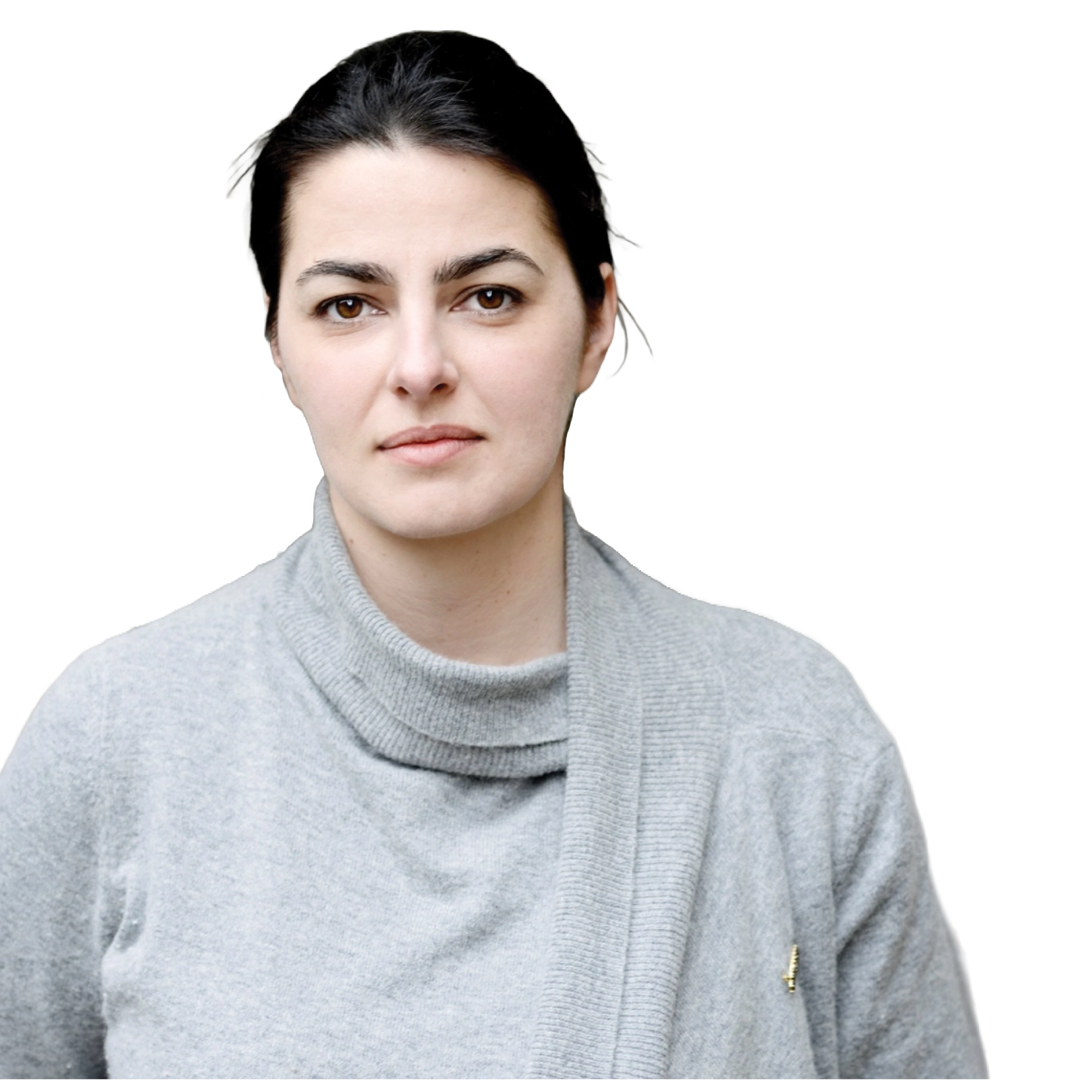
Dobrinka Tabakova moved to the United Kingdom with her family from her birthplace in Bulgaria at the age of 11 and has been based in London ever since. Her catalogue encompasses chamber, choral, and orchestral music, including a substantial body of works for strings. She served as composer in residence with the BBC Concert Orchestra from 2017 to 2021. It was with Orpheus’ Comet that she inaugurated her residency. Tabakova wrote the piece on a joint commission from the BBC and European Broadcasting Union to mark the 50th anniversary of the regular Music Exchanges of Euroradio, the European Broadcasting Union network through which member broadcasters share concerts and recordings.
Describing Orpheus’ Comet as “a celebration for orchestra,” Tabakova wanted to find a way to use the “regal, upbeat opening” of Monteverdi’s 1607 opera L’Orfeo, which serves as Euroradio’s signature melody, as the culmination of her piece. As she researched the myth Monteverdi retells in his opera, she encountered one version in the fourth book of Virgil’s Georgics, a first-century BCE poem about agriculture and rural life.
Book IV is largely concerned with beekeeping, but its account of the beekeeper Aristaeus leads into a reconsideration of the myth of Orpheus and his descent into the Underworld to restore his dead wife Eurydice to life, only to lose her again when he looks back before their journey is complete. In Virgil’s telling, Aristaeus is responsible for Eurydice’s death: as she fled his advances, she was bitten by a snake.
What To Listen For
The sound of bees buzzing suggested the opening musical idea, first heard in the horns and answered by the low strings. The activity gradually expands into dense clusters of sound, with brief accents flashing around the orchestra. A broad, hymn-like sequence emerges from this increasingly busy activity. The earlier “buzzing” music is then folded into it and transformed into “almost hypnotic rhythmic loops,” as the composer puts it, while a melody takes flight in the flute and clarinet. As the momentum gathers, the trombones add weight to the texture until Monteverdi’s opening theme makes its appearance—but “with a modern twist.”
Scored for 2 flutes (2nd doubling piccolo), 2 oboes, 2 clarinets, 2 bassoons (2nd doubling contrabassoon), 4 horns, 3 trumpets, 3 trombones, optional tuba, timpani, percussion, and strings
− Thomas May is the Nashville Symphony's program annotator.




 Back