Born on March 9, 1910, in West Chester, Pennsylvania; Died on January 23, 1981, in New York City
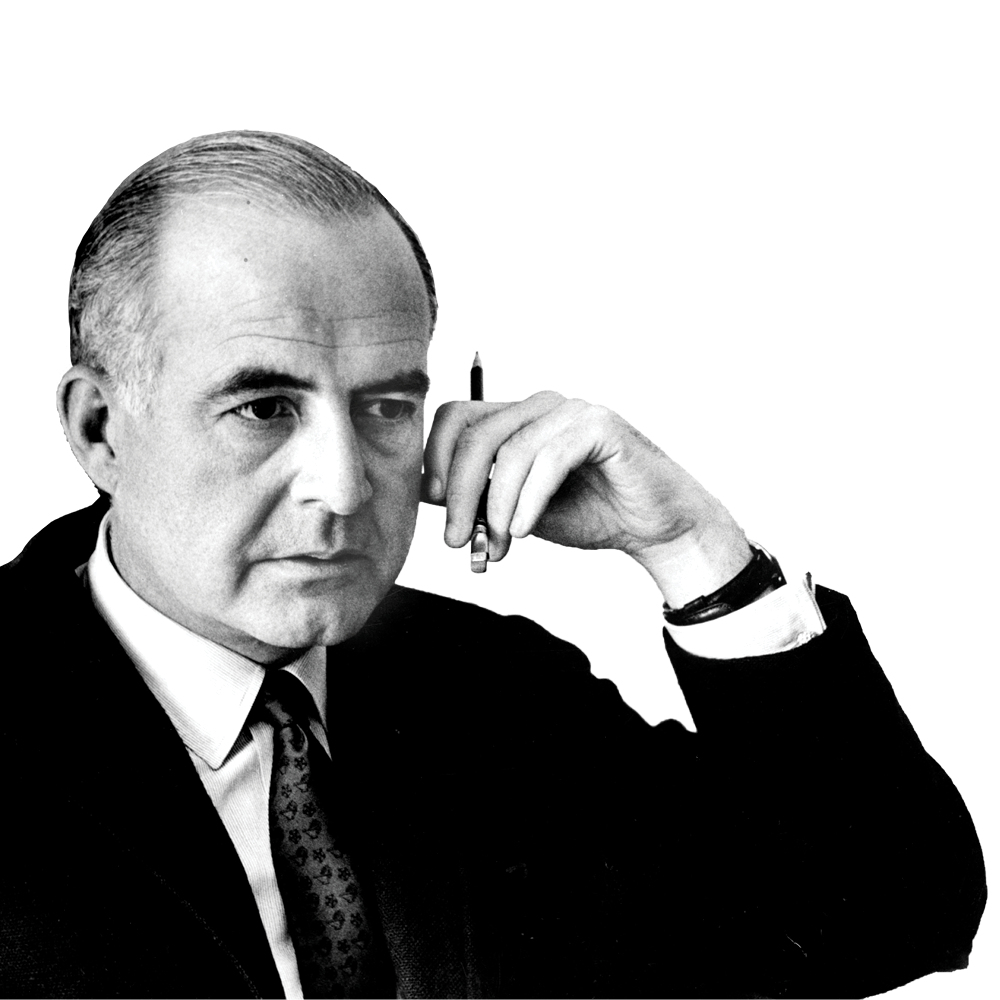
Adagio for Strings, Opus 23a
Composed: 1936; arranged for string orchestra: 1938
Estimated length: 8 minutes
The first performance of this program takes place on September 11, exactly 25 years after the attacks of 2001. For Slatkin, that coincidence immediately clarified the place of Samuel Barber’s Adagio for Strings in an otherwise celebratory evening. The Adagio is also a work with which the conductor is closely associated: he has conducted it at many moments of public remembrance.
Barber’s music is not tied to a particular faith, text, or historical event, yet its long, searching lines have repeatedly provided a shared space for mourning. It was heard after the deaths of Franklin D. Roosevelt and John F. Kennedy, following September 11, and at memorials around the world. Its appearances in films, most famously Platoon, have carried its emotional language beyond the concert hall.
The piece began in a much more private setting. Barber composed it as the slow movement of his String Quartet in 1936. Two years later, he arranged the music for string orchestra and sent it to Arturo Toscanini, who had asked the young American to show him new scores. Toscanini introduced the orchestral version in a nationwide NBC radio broadcast in November 1938, bringing the 28-year-old composer international recognition.
The string version needs no words to communicate its movement from restraint through anguish and back toward stillness. On this program, it creates a necessary pause within the celebration—a reminder that national memory includes grief as well as triumph.
WHAT TO LISTEN FOR
Barber asks the strings to play “very slowly, expressively, and with a singing quality.” A simple tune unfolds in small steps, passing through the different sections of the orchestra as it rises and gathers weight. Its power lies in the steady intensification of a single melodic phrase.
The ascent culminates in an anguished peak and then abruptly breaks off, leaving a sudden silence at the music’s most intense point. A gentle reprise then recasts the opening music in a new guise of peaceful resolution.
Scored for string orchestra.
− Thomas May is the Nashville Symphony's program annotator.




 Back