Born on March 7, 1875, in Ciboure, France; died on December 28, 1937, in Paris, France.
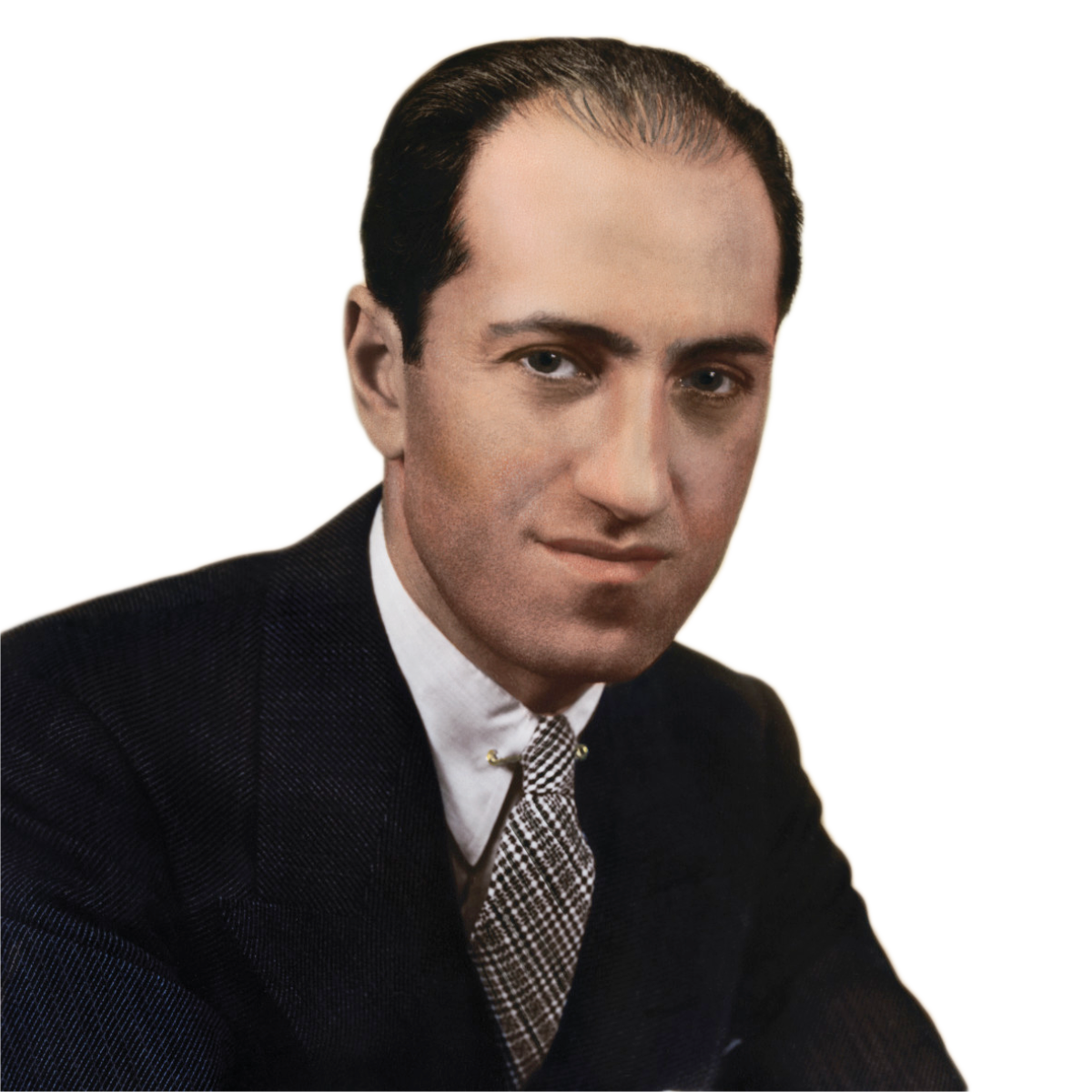
An American in Paris
Composed: 1928
Estimated length: 20 minutes
As the nation approaches its 250th anniversary, George Gershwin’s music offers a vivid reminder of how quickly American sound began to travel—and transform—abroad. His sudden ascent onto the international concert stage came just over a century ago with Rhapsody in Blue, a work that blurred the lines between jazz and classical music and captured the public’s imagination almost overnight. So impressed was Walter Damrosch—then leading what would soon become the New York Philharmonic—that he commissioned Gershwin to write a piano concerto, resulting in the Concerto in F. A second orchestral commission followed soon after, yielding An American in Paris, which Gershwin described as a “rhapsodic ballet” evoking “the impression of an American visitor in Paris as he strolls about the city and listens to various street noises and absorbs the French atmosphere.”
Though largely self-taught as a composer, Gershwin immersed himself in European musical traditions during a mid-1920s visit to Paris, where he formed a friendship with the older French composer Maurice Ravel. The title of this work might be read as a playful metaphor for Gershwin’s own artistic journey—an American engaging with European classical forms—but the composer was careful to emphasize that his aim was impressionistic rather than programmatic, leaving listeners free to experience the music in their own way.
Unlike Rhapsody in Blue, which was orchestrated by another hand, An American in Paris was fully scored by Gershwin himself. In pursuit of authentic urban color, he even brought back four taxi horns from Europe to use at the premiere, ensuring that the instrumental palette reflected the specific sounds of the city that inspired the piece.
WHAT TO LISTEN FOR
Brisk, striding rhythms immediately set the scene. Snatches of French popular melodies alternate with more relaxed episodes, and a lyrical exchange between solo violin and celesta suggests leisurely café life. A blues-influenced trumpet line then emerges, expressing a kind of homesick yearning before building to an ardent climax. After another solo violin passage, echoes of a Charleston recall life back home with a celebratory air.
Gershwin himself explained that this sequence—the blues interlude giving way to renewed engagement with Parisian life—reflects the imagined experience of the “homesick American, having left the café and reached the open air,” who ultimately sheds his melancholy and takes up his role as an eager observer of the city’s vibrant rhythms. As the opening material returns and the blues theme reappears one last time, the music leads us back into the electric bustle of Paris lights and street life.
Scored for 3 flutes (3rd doubling piccolo); 2 oboes and English horn; 2 clarinets and bass clarinet; 2 bassoons; alto, tenor and bass saxophones; 4 horns; 3 trumpets; 3 trombones; tuba; timpani; percussion; celesta; 4 taxi horns (tuned to A, B, C, and D), and strings.
− Thomas May is the Nashville Symphony's program annotator.
Featured on An American in Paris — March 12 to 14, 2026.
Nashville Symphony
Andrew Grams, conductor
Clayton Stephenson, piano
The Lawrence S. Levine Memorial Concert.




 Back